Class 2 vs Class 3 Hitch for Racks and Carriers: Which Is Better? (October 2026)
A Class 2 hitch usually has a 1.25 in receiver, while a Class 3 hitch usually has a 2 in receiver. Choose only after checking your vehicle’s hitch rating, the accessory’s fit and the load limits for the complete setup.
On this page (7 sections)
A Class 2 hitch usually has a 1.25 in receiver, while a Class 3 hitch usually has a 2 in receiver. For a class 2 vs class 3 hitch decision, match the receiver to your rack or carrier, then check the load limits for your vehicle and hitch.
A larger receiver does not automatically make an accessory compatible or safe for every vehicle. The vehicle, hitch, accessory and loaded gear all matter.
 Best for either receiver size
Allen Sports 3-Bike Hitch Rack, 1.25 or 2 Inch

Class 2 vs Class 3 hitch: what is the main difference?
Class 2 hitches usually use a 1.25 in receiver; Class 3 hitches usually use a 2 in receiver. That opening size is the first fit check for a rack or cargo carrier.
The class also signals a hitch’s general capacity range, but exact ratings vary by vehicle and hitch model. Read the hitch label and vehicle manual rather than treating the class as a complete load rating.
A 2 in receiver is common for larger hitch accessories, including many platform bike racks and cargo baskets. A 1.25 in receiver can suit compatible racks, but the accessory must be made for that size or explicitly approved for an adapter.
If you’re unsure which receiver you have, follow our guide on how to measure your hitch size. Measure the receiver opening, not the outside of the hitch tube.
Does receiver size tell you the hitch’s capacity?
No. Receiver size alone does not provide the hitch’s tongue-weight rating or the vehicle’s maximum tongue weight.
Look for the rating label on the hitch and check your vehicle manual. Use the lowest applicable limit, and include the weight of the rack or carrier as well as the gear it holds.
Which hitch size fits your rack or carrier?
Choose the hitch size specified by the accessory maker, then verify the receiver and load limits on your vehicle. A rack that fits the opening can still exceed a rating.
The bike rack fit guide for 1.25 in hitches explains what to check when you have a smaller receiver. For a broader look at rack designs, see types of hitch bike racks.
Is a 1.25 in hitch enough for a bike rack?
A 1.25 in hitch can work with a rack designed for that receiver size. The Allen Sports 3-Bike Hitch Rack fits both 1.25 in and 2 in hitches and has a stated 105 lb load capacity.
The rack’s fit range does not mean every 1.25 in hitch can carry 3 bikes. Compare the loaded rack weight with the ratings for your specific vehicle and hitch, and follow the rack instructions for installation and loading.
Is a 2 in hitch better for a heavy e-bike rack?
A 2 in receiver is required for some heavier racks, including the Young Electric 2-E-Bike Rack with Ramp. It supports up to 200 lb total, with a stated limit of 100 lb per bike, but your vehicle and hitch may have lower limits.
Account for the rack’s 66.1 lb weight when checking tongue weight. A rack’s capacity is not a target if your vehicle or hitch cannot support the full loaded setup.
What hitch size do cargo carriers need?
Check the carrier’s specified receiver size before buying. The MaxxHaul 70107 Steel Hitch Cargo Carrier fits a 2 in receiver and has a maximum distributed capacity of 500 lb.
That 500 lb figure describes the carrier’s stated capacity, not your vehicle’s allowable load. Include the carrier’s 22.3 lb weight when calculating the weight placed on the hitch.
How should you compare tongue-weight limits?
Keep the loaded accessory within the lowest tongue-weight limit in your setup. That may be the vehicle, hitch or accessory.
Tongue weight is the downward force on the hitch from the rack or carrier and its load. Read what tongue weight means on a hitch before loading bikes or cargo.
For a bike rack, add the rack’s weight to the weight of every bike. For a cargo carrier, include the carrier and all cargo, and follow the instructions for distributing the load.
Don't use a hitch’s class as a shortcut for this calculation. Check the exact ratings for your vehicle and hitch, especially if you have a longer accessory or use an adapter.
Can a hitch adapter solve a receiver mismatch?
An adapter may let a compatible accessory fit a different receiver, but it does not erase the setup’s limits. Use one only when the accessory and adapter instructions allow it.
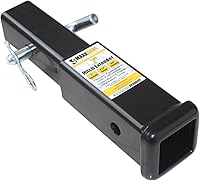
An adapter can add distance between the receiver and the load. That extra leverage may affect the load limits, so check the instructions for the hitch, accessory and adapter before relying on the original rating.
Our guide to using a hitch extender with a bike rack covers the added clearance and fit questions. If an adapter is not approved for your exact setup, choose an accessory made for your receiver instead.
Which class should you choose for a rack or carrier?
Pick Class 2 when a compatible 1.25 in accessory meets your needs and the ratings allow it; pick Class 3 when your vehicle has a 2 in receiver and the accessory calls for it. Confirm fit and capacity before buying.
Choose by the vehicle and intended load, not by class number alone. A Class 3 hitch cannot raise the vehicle’s own limit, and a Class 2 hitch is not automatically unsuitable for a light rack.
For a carrier decision, compare its receiver fit, weight and load rating with your hitch and vehicle limits. For bike transport, the best bike racks for SUVs guide can help you compare rack styles once you know your receiver size.
Frequently asked questions
Can I put a Class 2 accessory on a Class 3 hitch?
Only if the accessory maker allows the fit and you use any required adapter as directed. Check the accessory, adapter, hitch and vehicle instructions, then apply the lowest relevant load limit.
A receiver that can accept an adapter does not guarantee that the full setup is approved.
Does Class 3 mean a hitch has a 2 in receiver?
Usually, but verify the receiver opening and hitch label on your specific vehicle. Hitch classes are general categories, and exact products can vary.
Measure the receiver before buying an accessory, especially if you’re ordering a rack or carrier made for one size.
Can I use a 1.25 in rack on a 2 in receiver?
Use it only if the rack is designed for both sizes or its maker approves a suitable adapter. Confirm how the adapter affects the setup and its limits.
If the rack does not support your receiver, choose a compatible model rather than forcing a fit.
What matters more, hitch class or tongue weight?
Both matter, but tongue-weight ratings determine how much downward load the setup can support. Hitch class and receiver size help identify fit and general category.
Check the hitch label and vehicle manual, include the accessory’s weight, and stay within the lowest stated limit.
Make the choice by fit and rating
Choose the receiver size your accessory requires, then use the lowest applicable load rating for the complete setup. A 1.25 in receiver can suit a compatible rack, while a 2 in receiver is needed for accessories designed only for that size.
Before you load bikes or cargo, check the receiver opening, hitch label, vehicle manual and accessory instructions. If you’re comparing bike rack styles next, start with our guide to types of hitch bike racks.
Class 2 vs Class 3 Hitch for Racks and Carriers
Frequently asked questions
Is a Class 2 or Class 3 hitch better for a bike rack?
Either can work if the rack fits the receiver and the vehicle and hitch ratings support the rack plus bikes. Class 2 hitches usually have a 1.25 in receiver, while Class 3 hitches usually have a 2 in receiver.
Confirm the exact fit and limits before loading.
Can a 2 in hitch carry more than a 1.25 in hitch?
A 2 in receiver is commonly paired with higher-rated hitches, but receiver size alone does not tell you the safe load for your vehicle. Check the hitch label and vehicle manual, then follow the lowest applicable tongue-weight and accessory limits.
Can I use a 2 in rack in a 1.25 in hitch?
Only if the rack maker approves a suitable adapter for that exact setup. An adapter can add leverage and reduce capacity, so check its instructions and the limits for the vehicle, hitch and rack before use.
Does a cargo carrier's capacity set the load limit?
No. The carrier’s own capacity is only one limit.
Your vehicle and hitch also have limits, and the usable load can be lower.
Include the carrier’s weight when checking tongue weight, and secure cargo so it cannot shift.