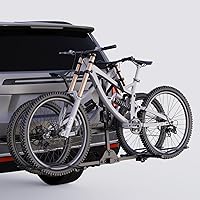
How to Transport an E-Bike by Car
To transport an e-bike by car, use a rack rated for the bike’s weight, confirm it fits your vehicle, and secure the bike at every contact point. Remove the battery if its maker recommends it, and check the rack and vehicle manuals before driving.
On this page (8 sections)
- What should you check before transporting an e-bike by car?
- How do you prepare an e-bike for car transport?
- Is a ramp helpful for loading an e-bike?
- How do you secure an e-bike to a hitch rack?
- How do you check the setup before driving?
- Which two-bike rack fits a ramp-loading routine?
- Should you use a hitch rack or a roof rack?
- What’s the safest way to transport an e-bike by car?
To transport an e-bike by car, choose a rack rated for the bike’s weight, verify the vehicle and hitch fit, and secure the bike as the rack maker directs. Remove the battery if your bike’s instructions call for it, and check every connection before driving.
A hitch rack with a loading ramp can make a heavy bike easier to load. Before choosing one, compare the bike’s weight, wheelbase, tire width, and receiver size with the rack’s limits.
What should you check before transporting an e-bike by car?
Check the bike’s weight and the rack’s limits first. Account for the battery and any accessories that will stay on the bike, then compare that total with both the per-bike and combined rack capacities.
Also confirm the rack fits your vehicle’s hitch receiver. Some options here require a 2 in receiver, so measure yours and review your vehicle and hitch manuals before buying.
Our guide to how to choose an e-bike rack for your hitch explains the fit checks.
Check the bike’s wheelbase and tire width against the rack’s cradles. A bike that falls within the rack’s weight limit can still be a poor fit if its wheels don’t sit securely in the supports.
How do you prepare an e-bike for car transport?
Follow the bike maker’s instructions for the battery, removable parts, and transport. If you remove the battery, carry it inside the vehicle in a secure place where it can’t slide or be crushed by other cargo.
Take off loose accessories, such as a pump or bag, if they could come loose in transit. Check that the wheels, handlebars, and any folding parts are secure before loading.
Clean mud or debris from the wheel contact points so it doesn’t interfere with the rack’s straps or leave marks on the car. Keep the bike’s key and any removable battery parts with you.
Is a ramp helpful for loading an e-bike?
A ramp helps when you can roll the bike onto the rack more safely than you can lift it. Keep control of the bike throughout the climb, and use a helper if its weight or balance makes loading difficult.
The CyberRack 2-E-Bike Ramp Rack, 200 lb has a ramp that stores on the rack when not in use. It fits a 2 in receiver and supports up to 100 lb per bike, with a 50 in maximum wheelbase.
Choose this option if you need space for two bikes and both fall within its stated limits. Check tire width and the rack’s other fit details before you commit.
For one heavy bike, the Young Single-Bike Hitch Rack with Ramp has a ramp and a 100 lb capacity. It’s designed for a 2 in receiver.
A single-bike rack may be simpler when you only need to carry one bike. Make sure the rack’s supports fit the bike, and follow the rack instructions for securing it.
How do you secure an e-bike to a hitch rack?
Place the wheels in their cradles and fasten every strap or hold-down point the rack requires. Tighten the hitch connection as directed, then check that the bike cannot swing into the car or move out of its supports.
The WELLUCK 200 lb 2-E-Bike Folding Rack has an adjustable wheelbase from 48 to 67.3 in and straps for the frame and tires. WELLUCK says to remove the battery before placing an e-bike on the rack.
After tightening the straps, gently check each bike for movement. Keep straps away from hot parts, sharp edges, and anything that could cut or loosen them.
Don’t assume an anti-wobble feature replaces a secure hitch connection or bike straps. Check that the rack’s hitch pin or bolt is installed as its instructions require.
How do you check the setup before driving?
Inspect the hitch, rack, wheels, and straps before every trip. Confirm that the rack is fully seated, the bike is secure, and the rear lights and license plate remain visible.
Test that the rack and bike have clearance from the road, exhaust, and vehicle body. If the rack tilts or folds, make sure it’s locked in the correct travel position.
Drive gently at first and stop somewhere safe to check the straps and hitch connection again. Recheck them during longer trips, especially after rough roads.
Which two-bike rack fits a ramp-loading routine?
A two-bike rack with a ramp suits you if lifting either e-bike would be difficult. Compare the combined bike weight with the rack’s total capacity, and confirm that each bike fits the wheel and tire supports.
The Young 2-Bike E-Bike Hitch Rack with Ramp has a 200 lb total capacity for two bikes, with a stated 100 lb limit per bike. It fits vehicles with a 2 in receiver, and its ramp stores on the rack.
This option may fit a two-bike trip when both bikes meet the limits and the receiver is compatible. Compare its stated fit with your bike dimensions before loading.
For heavier bikes, compare options in our guide to hitch racks for heavy e-bikes. If your bike has wide tires, see hitch racks for fat-tire e-bikes.
Should you use a hitch rack or a roof rack?
A hitch rack is often easier for a heavy e-bike because you load it near ground level. A roof rack can work if its weight limits and loading method suit you, but lifting a heavy bike overhead can be difficult.
Hitch racks also add weight at the receiver, so check the vehicle and hitch limits. Our guide to tongue weight on a hitch explains why the rack and bikes count toward the load.
Think about rear access, parking clearance, and whether the rack blocks your plate or lights. For a broader comparison, read roof rack vs hitch rack for bikes.
What’s the safest way to transport an e-bike by car?
For how to transport an e-bike by car, match the rack to the bike and vehicle, secure the bike at every required point, and inspect the setup before driving. Choose a ramp if rolling the bike onto the rack gives you better control; choose a single-bike rack when you’re carrying just one.
If your bike fits a 2 in receiver and weighs no more than 100 lb, the Young Single-Bike Hitch Rack with Ramp is one option. For two bikes, compare the CyberRack and Young two-bike racks against their per-bike limits and the dimensions of your wheels.
Follow the bike and rack manuals, and recheck the straps and hitch during the trip. For model comparisons, see our best hitch racks for heavy e-bikes.
Frequently asked questions
Can you transport an e-bike on a regular bike rack?
Only if the rack is rated for the e-bike’s weight and its frame or wheel supports fit the bike. E-bikes can be heavier than standard bicycles, so check the bike’s weight with its battery and accessories against the rack’s per-bike and total limits.
Follow the rack maker’s fit instructions.
Should you remove the e-bike battery before transporting it?
Check the e-bike maker’s instructions for transport. Removing the battery can reduce the load on the rack and protect the battery from bumps or weather, but secure the battery inside the vehicle and keep it away from loose cargo.
WELLUCK specifically says to remove the battery before loading its rack.
Is a ramp useful for loading an e-bike onto a car?
A ramp can help you roll a heavy e-bike onto a hitch rack instead of lifting it. Check that the ramp suits the rack and bike, then use the rack’s wheel cradles and straps as directed.
Keep the bike steady as you load it, and ask for help if you cannot control its weight.
How do you keep an e-bike secure on a car rack?
Use the rack’s wheel cradles and straps at every required contact point, then check that the bike cannot shift or touch the car. Tighten the hitch connection as directed and recheck the setup after a short drive.
Add a separate lock when parked, since transport straps are not theft protection.