Hitch Cargo Carrier vs Rooftop Carrier: Which to Pick? (October 2026)
Choose a hitch cargo carrier for easy loading at the rear, or a rooftop carrier to keep the hitch free. A hitch basket needs a compatible receiver and can block rear access; a roof carrier needs suitable roof support and adds height.
On this page (7 sections)
- Hitch cargo carrier vs rooftop carrier: which should you choose?
- How do loading and access differ?
- Which carrier gives you more useful storage?
- What vehicle limits should you check first?
- How do weather and storage affect the choice?
- What changes while driving?
- Which hitch cargo carrier vs rooftop option fits your trip?
Choose a hitch cargo carrier for ground-level loading, or a rooftop carrier to keep the hitch available. In a hitch cargo carrier vs rooftop comparison, the key tradeoffs are access, vehicle fit, storage protection and the extra height or rear length.
A hitch basket sits behind the vehicle and needs a compatible receiver. A rooftop bag or box uses the roof, which means lifting cargo higher and checking roof support and clearance.
The KAIRAY basket is a 60 x 24 in open platform for a 2 in receiver. For enclosed roof storage, the FIVKLEMNZ soft bag states 30 cubic feet, while the SportRack hard box holds 18 cubic feet and mounts to crossbars.


Hitch cargo carrier vs rooftop carrier: which should you choose?
Pick a hitch carrier when ground-level loading matters; pick a roof carrier when you need to keep the rear hitch free. Either choice depends on your vehicle's approved load limits and the space you have around it.
A rear basket can suit heavy or awkward gear that you'd rather not lift overhead. You must still stay within the hitch, vehicle and carrier limits, and secure the load so it can't shift.
A rooftop carrier keeps the rear of the vehicle clear for a bike rack, trailer or access to the hatch. It can be harder to load, and its added height matters anywhere with a low ceiling.
When is a hitch cargo carrier the better fit?
A hitch carrier works well when your vehicle has the right receiver and you want cargo close to waist height. The KAIRAY model fits a 2 in receiver and has a 60 x 24 in mesh platform with 14.4 in raised rails.
Its 500 lb capacity is a carrier figure, not permission to load that much on your vehicle. Check the owner's manual for hitch tongue weight and vehicle limits, then account for the carrier's own weight and the cargo.
An open basket doesn't shield bags from rain, road spray or dust. Use weather-ready containers or a suitable cargo bag, and secure each item for the trip.
The basket may also make the rear hatch harder to open, especially when loaded. If the fit of a smaller vehicle is a concern, see whether a small car can use a hitch cargo carrier.
When should you choose a rooftop carrier?
Choose a roof carrier when you want cargo away from the hitch or need an enclosed storage area. A soft bag can fold down when it's not in use, while a hard box holds its shape and has a rigid shell.
The FIVKLEMNZ soft bag offers 30 cubic feet of stated storage and includes straps, door hooks and an anti-slip mat. Its attachment method still needs to suit your vehicle, and every strap and closure should be set up as directed.
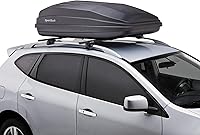
The SportRack Vista XL is a hard-shell box with 18 cubic feet of capacity and rear opening. It mounts to crossbars, so confirm the crossbar type, spacing and roof load limit before choosing it.
Roof access takes more lifting than a hitch basket. If you travel with tall vehicles or use low garages, factor in the loaded height before each route.
How do loading and access differ?
A hitch basket is easier to reach from the ground, while roof storage keeps cargo away from the rear door. Think about how often you need the trunk and whether you can lift your usual bags above shoulder height.
With a hitch basket, you can place luggage on the platform without reaching over the roof. But the carrier occupies the space behind the vehicle, so it can make loading groceries from the hatch inconvenient.
Roof carriers keep the hitch open, but the load sits above your head. Use a stable step only if it is safe for your vehicle and surroundings, and don't climb onto the vehicle unless its manual allows it.
How does each carrier affect rear access?
A hitch carrier can obstruct a rear hatch, tailgate or backup camera view. Check the unloaded fit and how the loaded basket affects the door's opening path before a trip.
Some hitch carriers fold upward when empty, but that doesn't guarantee rear access when loaded. The KAIRAY basket folds, and its rails sit lower while folded; check how the specific vehicle and carrier align.
Roof carriers leave the rear door area open. A rear-opening roof box also lets you reach cargo from the back, though access still requires reaching overhead.
The SportRack box opens at the rear, away from traffic when parked curbside. That can be useful on a roadside stop, but park safely and check surrounding clearance before opening the box.
Which setup is easier to secure?
A roof bag needs its straps and hooks placed correctly, with the bag centered and the load distributed as instructed. Recheck the attachment after loading and at safe stops during a long drive.
A hitch basket needs cargo tied down so items cannot bounce, slide or fall. The KAIRAY has raised rails, but rails alone don't secure loose luggage.
For either setup, avoid covering lights or a license plate. Check the carrier and vehicle manuals for instructions on loading, fastening and driving.
Which carrier gives you more useful storage?
Choose by the shape and protection needs of your gear, not by capacity numbers alone. A soft roof bag reports volume, a roof box reports interior capacity, and a basket gives a platform size.
The FIVKLEMNZ bag's 30 cubic feet is the largest stated volume among these options. It can suit bulky soft luggage, tents and sleeping bags, but the bag's dimensions and your roof area still need to work together.
The SportRack box holds 18 cubic feet in a rigid shell. It may suit items that benefit from a defined enclosure, though its 100 lb maximum load can limit heavy cargo.
The KAIRAY basket's 60 x 24 in platform gives you an open loading area rather than a comparable cubic-foot figure. Measure the footprint of coolers, bins or camp gear, and make sure they can be tied down securely.
For soft and hard rooftop options, compare the tradeoffs in roof cargo box vs roof basket. If a soft bag is your likely choice, see car top carriers for cars without a roof rack.
What vehicle limits should you check first?
Check the vehicle's roof or hitch limits before comparing carriers. A carrier's own capacity doesn't override the vehicle maker's maximum load.
For a hitch basket, confirm the receiver size, tongue-weight limit and any load limits in your vehicle manual. Tongue weight includes the carrier itself and everything you place on it, so the available cargo allowance can be much lower than the carrier's maximum.
Read what tongue weight means on a hitch before loading a rear basket. Keep the load balanced and close to the vehicle as the carrier instructions require.
For a roof bag or box, check the roof's permitted load and the rack's limit if you use crossbars. Follow the lower applicable limit, and count the weight of the carrier and cargo as directed by the vehicle maker.
The SportRack box needs compatible crossbars and specifies a spacing range of 23 5/8 to 29 3/4 in. Confirm those measurements and the fit guide for your rack before buying.
How do weather and storage affect the choice?
Choose an enclosed roof carrier for covered storage, and plan separate weather protection for an open hitch basket. No carrier choice removes the need to secure cargo and follow its care instructions.
The FIVKLEMNZ bag is described as waterproof and has a double-layer cover and welded seams. Close it as directed and check that all straps and closures are secure; no soft bag can guarantee dry contents in every condition.
The SportRack box has a hard ABS shell and a lock for the box and contents. Keep the key accessible, and follow the care instructions to avoid damaging the box or its mounting hardware.
The KAIRAY basket is open mesh. Put gear in closed, weather-resistant containers or pair the basket with a properly fitted cargo bag; our guide on whether you need a cargo bag for a hitch carrier covers that choice.
Consider where you'll store the carrier when it's off the vehicle. A folding basket can take less space when folded, while a rigid roof box needs a place where its full size can fit.
What changes while driving?
A rooftop carrier adds height, while a hitch carrier adds length behind the vehicle. Both can change how you maneuver, park and judge clearance.
A loaded roof bag or box can make a vehicle too tall for a garage or covered parking area. Measure the loaded height and keep it in mind on every route, especially at older structures.
A rear basket can extend beyond the vehicle's bumper. Allow for that extra length when backing up, parking and entering a tight space, and make sure the load does not block lights or the plate.
Follow the vehicle and carrier manuals for speed, weight and loading guidance. Stop somewhere safe to check the cargo if you hear movement or suspect a strap has loosened.
Which hitch cargo carrier vs rooftop option fits your trip?
Pick the KAIRAY basket for ground-level loading with a compatible 2 in receiver, the FIVKLEMNZ bag for flexible roof storage, or the SportRack box for a hard shell on crossbars. Let your vehicle's load limits and your access needs decide the final choice.
Choose the hitch basket if you can spare rear access and want an open platform for bins or camping gear. Choose a roof carrier if you need the hitch free and can load cargo overhead.
For a soft roof bag, the FIVKLEMNZ offers the greatest stated volume here. For a rigid roof box, the SportRack gives an 18 cubic-foot interior and rear opening, provided your crossbars fit.
If you're leaning toward a hitch basket, read how to choose a hitch-mounted cargo carrier before settling on size and mounting style. That guide helps you match the basket to the receiver and cargo you plan to carry.
Frequently asked questions
Is a hitch cargo carrier or rooftop carrier easier to load?
A hitch carrier is usually easier to load from the ground because its basket sits behind the vehicle. A rooftop carrier requires lifting cargo overhead, and the vehicle's roof height can make loading harder.
Choose based on what you can lift comfortably and where you can safely stand.
Can a rooftop cargo bag fit without a roof rack?
Some soft bags use door hooks and straps instead of crossbars. The FIVKLEMNZ bag includes those parts and an anti-slip mat, but confirm its instructions fit your vehicle's doors and roof before relying on that setup.
Does a hitch cargo carrier reduce access to the trunk?
A fixed hitch basket can make a hatch or trunk harder to reach, especially when loaded.
Check whether the carrier folds and whether your vehicle's rear door can open over it. Keep the weight and cargo position within the vehicle and carrier limits.
Which carries more, a roof bag or hitch basket?
The FIVKLEMNZ roof bag states 30 cubic feet of volume, while the KAIRAY basket gives a 60 x 24 in platform rather than a volume figure.
Those measurements aren't directly comparable. Match the carrier to your actual gear and stay within vehicle, roof and hitch limits.
Can a rooftop carrier affect clearance?
Yes. Cargo on the roof raises the vehicle's overall height, so account for it at garages, drive-throughs, branches and other overhead limits.
Measure the loaded height and follow the carrier and vehicle instructions for roof loading and speed.